Respect for Human Rights
Basic Human Rights Policy
SPARX Group and its domestic and overseas subsidiaries (the "Group") have been striving to practice ever-better investments every day since its establishment in 1989, with the vision of becoming "the most trusted and respected investment company in the world" to realize its mission "to make the world wealthier, healthier, and happier (through investment)."
To realize this mission and vision, the Group has established this policy to share with its stakeholders the Group's approach and policies regarding the respect for human rights as it continues to fulfill its social responsibilities as a company through compliance with international norms and the laws and regulations of each country and region where it operates.
1. Establishing Systems
Recognizing that respect for human rights is an important management issue, the Group has established this policy with the approval of the Board of Directors. Based on this policy, the Executive Committee, the central decision-making body for business execution, discusses and resolves on specific initiatives regarding the respect for human rights and periodically reports the results of their implementation to the Board of Directors.
2. Compliance with International Standards and Laws
The Group respects internationally recognized human rights as expressed in the three documents comprising the International Bill of Human Rights: the Universal Declaration of Human Rights, the International Covenant on Civil and Political Rights, and the International Covenant on Economic, Social, and Cultural Rights. The Group also respects the internationally recognized human rights as expressed in the ILO Declaration on Fundamental Principles and Rights at Work by the International Labor Organization (ILO).
It is no exaggeration to say that the Group's business operations are all about people. The Group engages in health management and strives to promote executive and employee health to ensure the Group's officers and employees can pursue the Group's business in good physical and mental health. As another part of its efforts to respect human rights, the Group strives to improve how the Group's level of acceptance of diverse human resources through training courses on harassment and unconscious biases and build an open organizational culture that ensures psychological stability.
Moreover, the Group does not tolerate forced labor, child labor, or any form of discrimination or harassment based on race, religion, gender, sexual orientation, gender identity, nationality, age, disability, or any other reason.
3. Scope of this Policy
The Group applies this policy to all Group officers and employees. The Group also encourage its clients, business partners, and other stakeholders to understand this policy and respect human rights.
4. Human Rights Due Diligence
The Group conducts appropriate human rights due diligence to identify, assess, prevent and mitigate adverse human rights impacts that the Group's operations have caused or contributed to, or are directly linked to the Group's business or services.
5. Remedial Measures
The Group is committed to provide remedial measures on any human rights violations that may come to light through dialogue and appropriate procedures based on international standards.
6. Engagement With Stakeholders
The Group strives to engage in dialogue with relevant stakeholders in order to understand and address the impact of its business operations on human rights and respond in a responsible manner.
7. Policy Review
The Group seeks to periodically review and revise its policies to ensure it takes more appropriate initiatives to respect human rights, reflecting changes in international human rights norms, guidelines issued by the Japanese government such as the Guidelines on Respecting Human Rights in Responsible Supply Chains, and laws, regulations, and notices in the countries and regions where it does business.
Established
Revised
Human Rights Initiatives
Scope
We identified the primary risks in the financial services industry as described in the Reference Material on Practical Approaches for Business Enterprises to Respect Human Rights in Responsible Supply Chains (Ministry of Economy, Trade and Industry; Attachment 1) and verified the scale, scope, difficulty of remedy, and probability of occurrence of human rights violations within our Group using the Reference Material (Attachment 2) worksheet. At this stage, we have deemed the Company's and domestic group companies' employees as our most important stakeholders, given that they are subject to the highest risk of human rights violations and that the extent of such risks can be significantly mitigated through appropriate corporate measures.
Based on our verification results, we are currently prioritizing initiatives for the Company's and domestic group companies' employees. Although we have not yet initiated assessments within the supply chain, depending on future evaluations of human rights risks, we are also considering expanding our assessments to include the supply chain and working together with suppliers and other relevant parties to respond appropriately.
Identifying human rights risks
In identifying human rights risks to employees, we used the Reference Material on Practical Approaches for Business Enterprises to Respect Human Rights in Responsible Supply Chains (Attachment 2) worksheet to identify the three human rights issues below that the Company and its domestic group companies should address specifically. In doing so, we used the factors of scale, scope, irremediability, and probability of occurrence of human rights violations as criteria in our identification.
- Long working hours, which can cause mental and physical illness and death from overwork
- Occupational health and safety, which is essential for working healthily and safely
- Harassment that hinders a safe working environment for both mind and body
Addressing human rights risks
For each of the three identified human rights risks mentioned above, we have implemented the following initiatives.
1 Long working hours, which can cause mental and physical illness and death from overwork
We strive to mitigate the risk of overwork, as overwork can be a cause of physical and mental illness and even death.
To this end, we regularly monitor our employees' working hours. Moreover, we have introduced a management system that automatically alerts employees, their supervisors, and the human resources department when overtime hours reach 30, 45, or 60 hours to ensure proper work time management.
As of this moment, we have not seen any serious human rights issues arising from long working hours. In the fiscal year 2023, we had one case of a general employee exceeding 100 hours of overtime per month, which deviated from the agreed-upon hours by labor and management. We also had another case where, while technically not a legal violation, a supervisor exceeding 100 hours of overtime per month.
These individuals immediately discussed their health conditions with an industrial physician, who confirmed they had no health problems. In conjunction, we implemented a system to prevent recurrence, where the supervisor reduces the employee's workload by reassigning their workload. Additionally, when a warning email is issued by the human resources department indicating that the employee had worked overtime over 30 hours, personnel from the human resources department directly contact the employee and their supervisor to review the situation and issue an overtime reminder. Since the implementation of these preventive measures, the employee has been working within the hours agreed-upon by labor and management.
2 Occupational health and safety, which is essential for working healthily and safely
To create a workplace environment where all employees can maintain good health and peace of mind, the Company and its domestic group companies conduct routine health checkups and stress checks for all employees.
Routine checkups
After conducting these checkups, we have the individual results analyzed and provide health guidance based on the results to maintain and promote our employees' health.
- Health guidance from industrial physicians and occupational health staff
Industrial physicians or occupational health staff meet individually with employees whose medical checkup results require further examination or reexamination and directly provide them with health guidance.
Additionally, all those who wish to meet with occupational health staff are provided with such opportunity, regardless of their checkup results.
Furthermore, the fiscal year 2023 results of the companywide health checkups showed that the percentage of employees with abnormal lipid and carbohydrate metabolism was higher than the national average. Therefore, we have identified the above health issues among our officers and employees, and took the following measures:
- Exercise seminars led by professional trainers
Trainers use office space to offer guidance directly to employees under the theme of "Active stretching to mitigate the burden of long hours of desk work" - Health seminars led by practicing physicians
Live online seminars on the topic of "Lifestyle-related diseases/cancers"
In addition, the following measures were taken:
- Female health seminars
Live online seminars on the topics of "Menopause, female-specific cancer, and points to consider regarding the health of others" - Mental health seminars
Online video seminars with nurses on the topic of "Why people suffer mental illness, recognizing mental illness, and self-care to prevent mental illness" - Sleep seminars led by nurses
Live online seminars on the topic of "Sleep-related problems through real-life examples"
Stress checks
FY 2023 Stress Check Overview
| Period | September 11, 2023-September 26, 2023 |
|---|---|
| Eligible individuals | 135 |
| Respondents | 130 |
| Response rate | 96.3%(Year-on-Year: -2.3%) |
| High-stress individuals | 11(Year-on-Year: ±0) |
| High-stress rate | 8.5%(Year-on-Year: +0.4%) |
(Note) Individuals from the Company and its domestic group companies are eligible.
If employees wish to speak with an industrial physician during their stress check, we will promptly arrange such meeting.
There was one employee who requested a meeting with an industrial physician in the fiscal year 2023.
3 Harassment, which hinders a safe working environment for both mind and body
The Company and its domestic group companies have established Rules on Harassment Prevention that require all officers and employees not to tolerate harassment for any reason.
The Rules on Harassment Prevention stipulate that both internal and external help desks shall be established to receive complaints and consultations regarding harassment.
If a report or consultation is received and an investigation conducted in accordance with these rules discovers any misconduct or actions that require remediation, we will promptly take remedial measures and measures to prevent recurrence.
The rules also require that group training sessions on harassment be systematically conducted for all officers and employees, as part of ongoing efforts to raise awareness and prevent harassment.
Number of Consultations at Internal and External Help Desks
There were no consultations received at either the internal or external help desks in fiscal year 2023.
Harassment Training Session
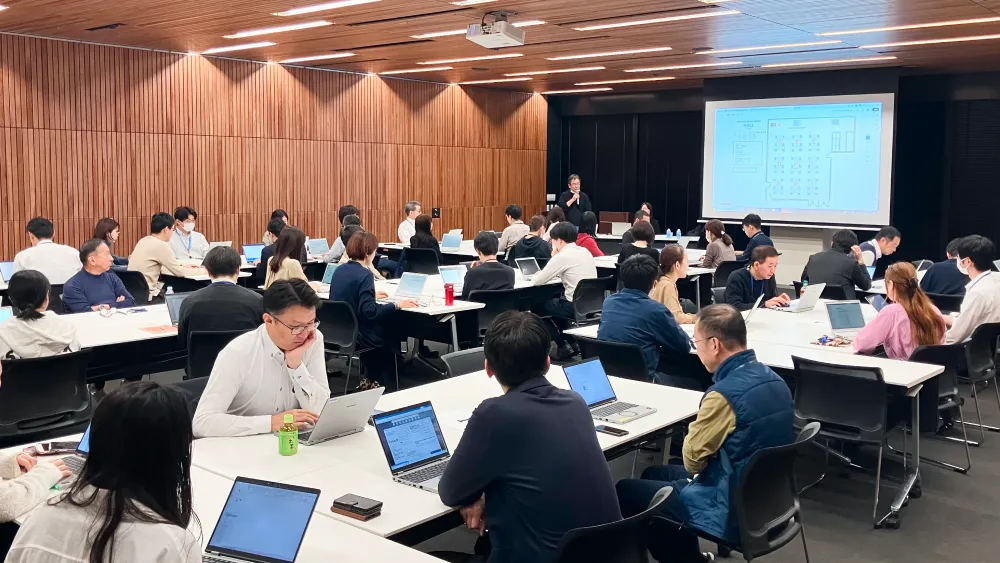
After the harassment training session, we conduct a questionnaire to verify and improve the training's effectiveness.
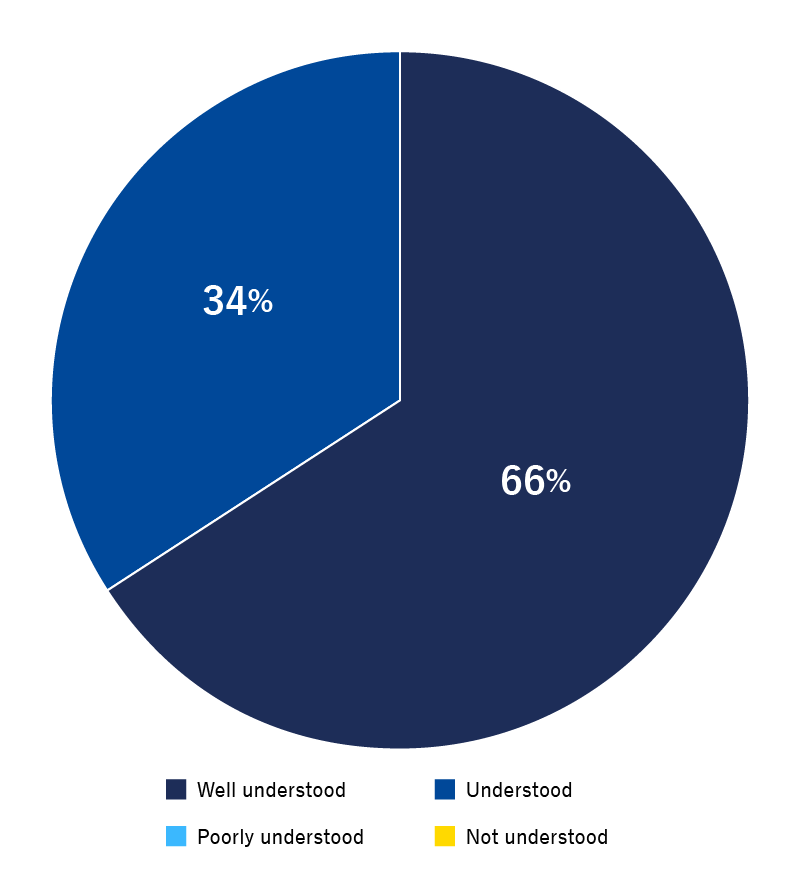
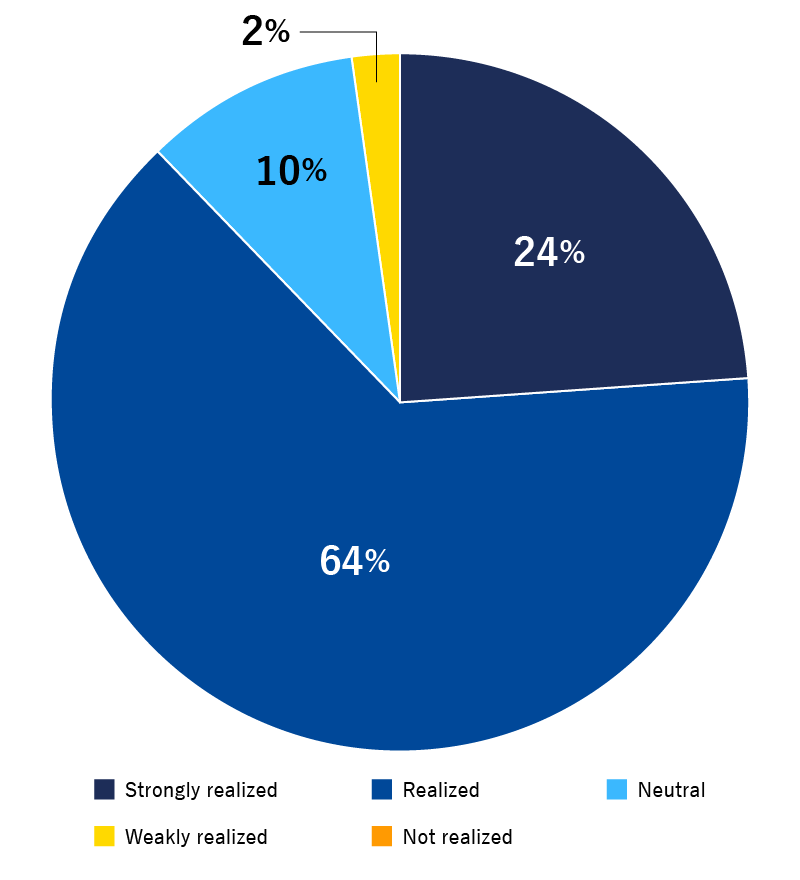
Harassment Training - Post-training Questionnaire Results for the Fiscal Year 2023
1. How was the content of the training?
2. Did you realize anything about yourself through the training?
3. Are you aware that harassment is a human rights issue?
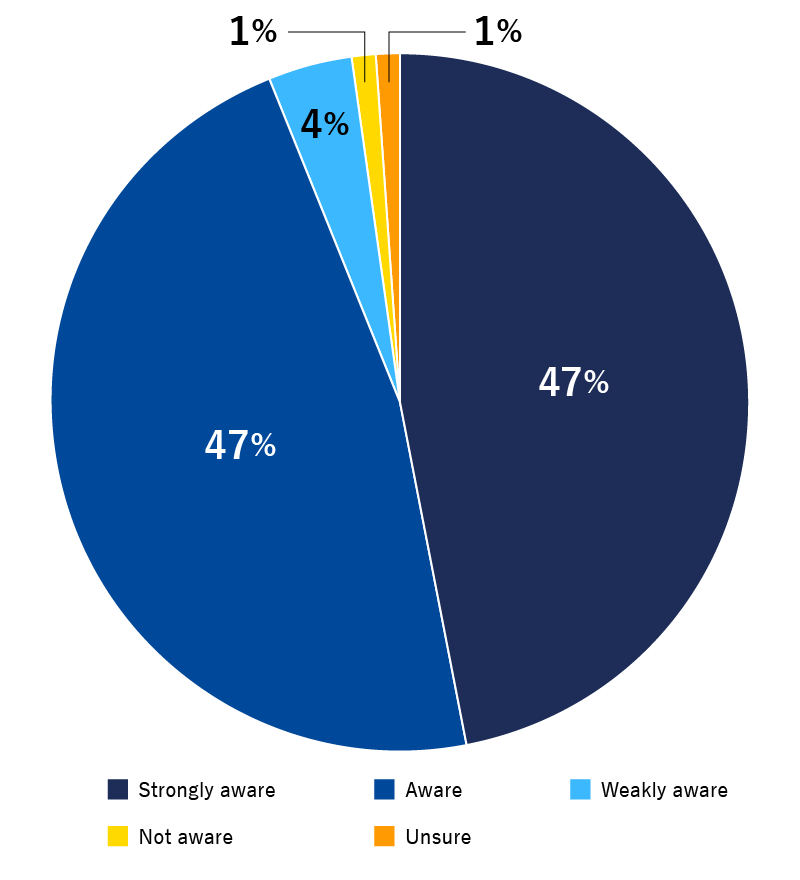
We disclosed the questionnaire results companywide, including specific cases mentioned in the post-training questionnaire, and we strive to warn employees against harassment and prevent it.
Through the questionnaire, 66 employees responded that they sometimes feel they have problems or issues related to harassment in the workplace. Among those who answered that they have actually seen or heard of such harassment, the human resources department interviewed such individuals. Based on the interviews in the fiscal year 2023, we found no cases requiring formal investigation by the Company, and there were no other requests from the interviewees besides the implementation of company-wide training and awareness activities.